 Hepburn IT
Introduction
Effective data management is at the heart of any successful business. Whether tracking customers, managing stock, handling projects, or analysing performance, businesses rely on accurate and accessible data to make informed decisions. However, many small and medium-sized enterprises (SMEs) reach a point where their existing systems no longer meet their needs.
Spreadsheets, while flexible and familiar, are not designed to handle complex relationships between data. As files multiply and processes become more complicated, inefficiencies and errors can begin to emerge. At the same time, off-the-shelf database systems may offer more structure but often lack the flexibility required to support unique workflows.
Custom database solutions offer an alternative approach, enabling businesses to design systems that reflect their specific operations and requirements.
The Limitations of Spreadsheets
Spreadsheets are often the starting point for data management in small businesses. They are easy to use, widely available, and require little initial investment. However, as businesses grow, spreadsheets can quickly become difficult to manage.
One of the main challenges is the lack of integration between files. Information is often duplicated across multiple spreadsheets, increasing the risk of inconsistencies and errors. Updating one file does not automatically update others, leading to confusion and potential data inaccuracies.
In addition, spreadsheets offer limited control over how data is entered and used. Without proper validation, incorrect or incomplete data can easily be introduced. Over time, this can undermine confidence in the data and make reporting less reliable.
Off-the-Shelf Solutions: Benefits and Drawbacks
Off-the-shelf database and software solutions are designed to address some of the limitations of spreadsheets by providing structured data management and additional features. These systems can be effective for common use cases and are often quick to deploy.
However, they are not always a perfect fit. Businesses may find that certain features are unnecessary, while essential requirements are not fully supported. This can lead to workarounds that reduce efficiency and increase complexity.
Cost is another important consideration. Many modern software solutions operate on a subscription basis, with fees that increase as the business grows or requires additional functionality. Over time, these costs can exceed the initial expectations, particularly if the system is not delivering full value.
The Advantages of Custom Database Solutions
A custom database is designed specifically for the needs of a business. Rather than adapting processes to fit software, the software is built to support the way the business operates. This alignment can lead to significant improvements in efficiency and accuracy.
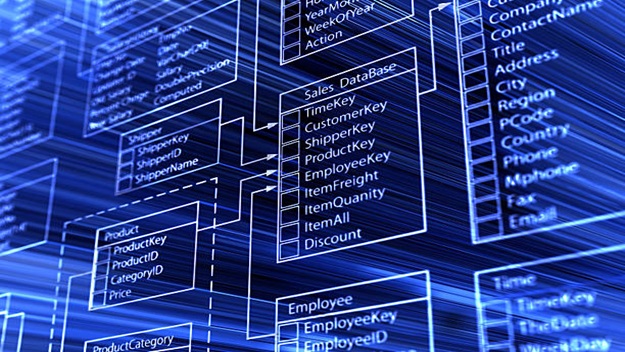
One of the key advantages is the ability to link data across different areas of the business. For example, customer information can be connected to orders, invoices, and support records, providing a complete and consistent view. This reduces duplication and ensures that all users are working with the same information.
Custom databases can also incorporate validation rules and automation. This helps ensure that data is entered correctly and reduces the need for manual processing. Tasks that would previously have taken significant time can often be completed automatically, freeing up resources for more valuable work.
Scalability is another important benefit. As the business grows, the database can be extended and adapted to meet new requirements. This flexibility allows the system to evolve alongside the organisation, avoiding the need for frequent replacement or major changes.
Improving Decision-Making Through Better Data
Accurate and well-structured data is essential for effective decision-making. Custom databases enable businesses to organise their data in a way that supports reporting and analysis.
By bringing data together into a single system, businesses can gain clearer insights into their operations. This might include tracking sales trends, monitoring performance, or identifying areas for improvement. With reliable data, decision-makers can act with greater confidence.
The ability to generate tailored reports is particularly valuable. Rather than relying on generic reporting tools, businesses can access the specific information they need, presented in a way that is meaningful and easy to understand.
Integration with Existing Systems
Modern businesses often rely on a range of systems, including accounting software, websites, and customer relationship management tools. A custom database can be designed to integrate with these systems, creating a more connected and efficient workflow.
Integration reduces the need for manual data transfer and helps ensure consistency across different platforms. This not only saves time but also reduces the risk of errors and improves overall data quality.
Security and Data Control
Data security is an increasingly important consideration for all businesses. Custom databases can be designed with appropriate security measures, ensuring that sensitive information is protected and only accessible to authorised users.
Access controls can be implemented to restrict what different users can see and modify, helping to prevent accidental or unauthorised changes. In addition, businesses retain greater control over their data compared to some cloud-based subscription services.
Ensuring that data is backed up regularly and can be recovered in the event of an issue is also a critical part of any database solution.
Cost Considerations
While custom database solutions require an initial investment, they can provide long-term value. By eliminating ongoing subscription fees and improving efficiency, businesses may find that the total cost of ownership is lower over time.
More importantly, a system that closely matches business requirements can deliver greater productivity and reduce the time spent managing data. This can have a direct impact on profitability and growth.
Conclusion
Managing data effectively is essential for any growing business. While spreadsheets and off-the-shelf solutions can provide a starting point, they often fall short as requirements become more complex.
Custom database solutions offer a flexible and scalable alternative, enabling businesses to organise their data, improve efficiency, and support better decision-making. By investing in a system that reflects their specific needs, organisations can build a stronger foundation for future growth.
How Hepburn IT Can Help
At Hepburn IT, we design and develop custom database solutions tailored to the needs of small businesses. Whether you are looking to replace spreadsheets, improve data accuracy, or streamline your processes, we can help create a system that works for you.
If you would like to discuss how a custom database could benefit your business, feel free to get in touch.